Ultimate Guide to Bed Bug Elimination: Obtain Lasting Results With Expert Tips
The "Ultimate Guide to Bed Bug Treatment" acts as a key reference for residents contending with the issue of bug problems. It describes methods for initial recognition, useful independent solutions, and vital safety guidelines. Determining when to call upon professional support is similarly vital. As the guide develops, it presents not only remedial tactics but also sustained preventive actions. The complexities of insect conduct and prevalent myths will be investigated, enabling a more educated strategy.
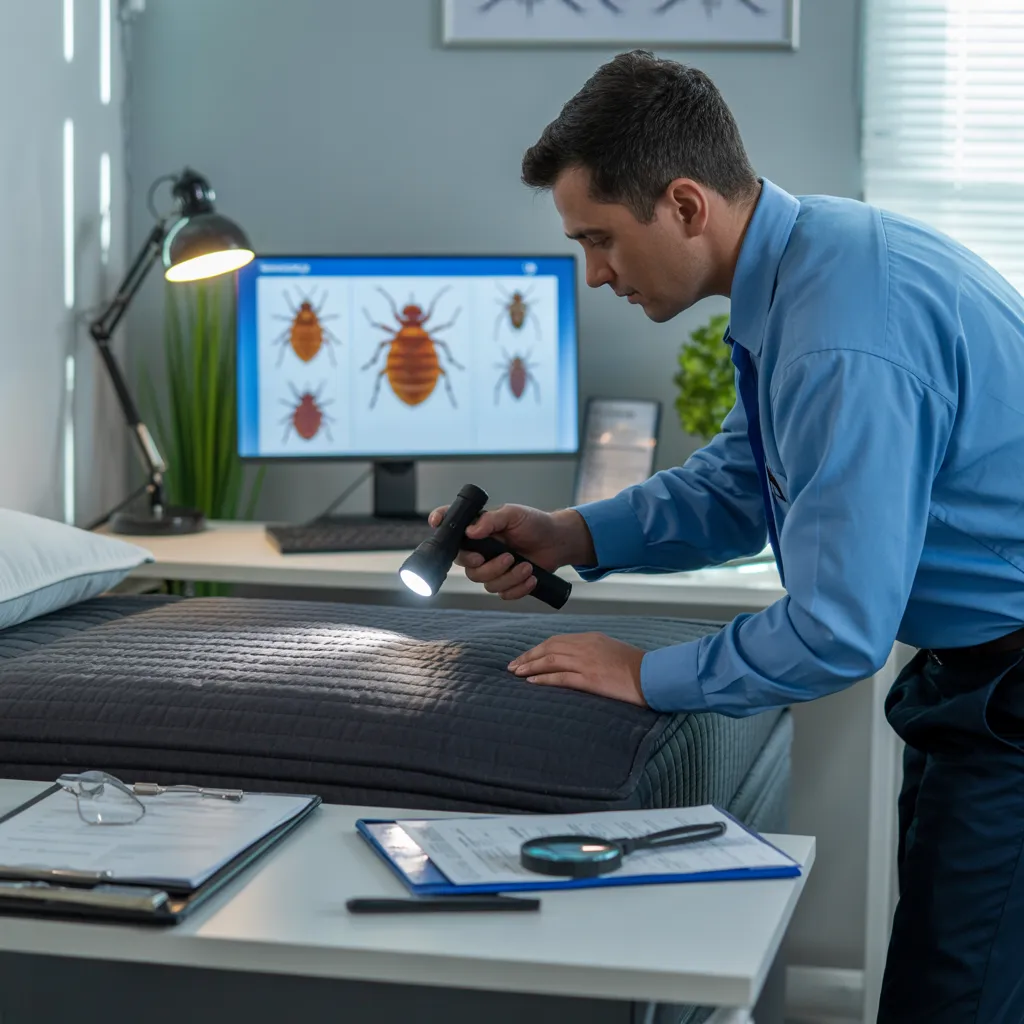
Steps for Identifying Bed Bug Outbreaks Soon
How can one spot bed bugs before they transform into a significant issue? Prompt spotting is key in preventing a slight concern from mounting into a full-blown infestation. Signs present small, reddish-brown bugs about the size of an apple seed, often hiding in fissures of mattresses, bed frames, and furniture. Additionally, black marks on cloth or walls may denote bed bug excrement. Regularly inspecting rest zones is important; looking at seams, folds, and any nearby clutter can reveal hidden pests.
Another signal is the occurrence of shed exoskeletons, which bed bugs discard as they mature. Unexplained bites on the skin, often grouped in a line or cluster, may also suggest their existence. By being vigilant and proactive, individuals can detect potential infestations soon, minimizing the need for extensive treatments and ensuring a more pleasant living environment.
potent hands-on Bed Bug Eradication Tactics
When dealing with bed bug invasions, several effective DIY treatment approaches can be utilized. Natural remedies, including essential oils, offer a non-toxic method, while steam treatment techniques deliver a heat-based remedy to eradicate pests. These strategies can enable people to handle bed bug problems without professional intervention.
Natural Treatments for Bed Bugs
Bed bug natural remedies provide various efficient DIY solutions that help combat these hard-to-get-rid-of pests. One popular approach is using diatomaceous earth, a natural dust that can harm the exoskeletons of bed bugs on contact, causing dehydration. Another method is the application of essential oils, like tea tree oil or lavender, which have insect-repelling properties. Combining these oils with water and spraying them in bug-infested areas helps deter bed bugs. In addition, washing bedding and infested fabrics in hot water and then drying them thoroughly can get rid of eggs and adult bugs. Regular vacuuming of sleeping areas and furniture also cuts down bed bug populations successfully, making natural remedies a valuable method for in-depth guide treatment.
Steam Therapy Procedures
While herbal treatments supply effective options for tackling bed bugs, steam treatment procedures deliver another strong DIY method. These methods harness high-temperature steam to reach surfaces where bed bugs conceal, promptly eradicating them on contact. A steam cleaner with a nozzle attachment is excellent for treating infested areas, including mattresses, carpets, and furniture. The steam should reach at least 130°F (54°C) to guarantee effectiveness. It is essential to move the nozzle steadily and deliberately, allowing the heat to thoroughly neutralize the pests. Additionally, steam treatment is chemical-free, making it a protective option for households with children and pets. Regular application can help sustain a bed bug-free environment, complementing other treatment methods for best results.
Safety Tips for Handling Bed Bugs at Home
Proper bed bug elimination necessitates meticulous attention to safety to protect both inhabitants and their items. When employing chemical treatments, people must always read and comply with label instructions exactly to avoid toxic contact. It is essential to circulate air through the treated areas sufficiently, making certain that youngsters and animals are separated before, during, and after application. Wearing protective gear, including gloves and masks, can reduce contact with toxic materials.
Additionally, applying heat treatments requires prudence; ensuring that temperature-sensitive items are removed from the area is important. For steam treatments, operators should preserve a safe distance from surfaces to avert burns.
Finally, correct handling of infested materials, such as bedding or clothing, should be accomplished in secured bags to prevent spreading the infestation. By following these safety tips, residents can effectively manage bed bug treatment while promoting their health and environment.
Indicators You Should Seek Expert Services for Bed Bugs
Residents may experience persistent bed bug challenges despite following safety tips and initial treatment methods. Determining when to contact professional help is important for effective resolution. One important sign is the ongoing presence of bites on exposed skin, notably after treatment attempts. If individuals encounter live bugs or shed exoskeletons in their bedding or furniture, it points to a more severe infestation.
Moreover, if homemade solutions produce minimal results after several weeks, professional intervention may be necessary. A powerful, stale smell in the home can also indicate a larger problem, as it suggests a substantial number of bed bugs. Finally, if infestations spread to multiple rooms or neighboring units, urgent expert help is vital to stop additional spread. Overall, timely action can protect residents from extended suffering and extensive damage to their living space.
Avoiding Future Bed Bug Invasions
To effectively prevent future bed bug infestations, staying alert and taking preventive steps is crucial. Regular inspections of bedrooms, furnishings, and baggage can help identify early signs of bed bugs before they become a larger problem. Utilizing protective encasements on mattresses and box springs can create a barrier that repels these pests.
Furthermore, decreasing clutter in living spaces reduces potential hiding spots. When traveling, it is advisable to examine hotel rooms and keep luggage elevated. Laundering bedding and clothing on high heat can also eliminate any potential hitchhikers.
Finally, informing household members on bed bug awareness can be vital; comprehending the way these insects propagate empowers everyone to take suitable preventive measures. By adopting a forward-thinking strategy and fostering an environment of vigilance, the probability of subsequent pest problems can be significantly diminished.
Refuting Common Bed Bug Myths: What You Should to Understand
Misunderstandings about bed bugs can impede effective prevention and treatment efforts. One common myth is that bed bugs only infest dirty homes; in reality, they can thrive in any environment, regardless of cleanliness. Another false notion suggests that these insects transmit diseases, which is false; while they can cause unease and anxiety, they are not known to spread illnesses. Additionally, many believe that severe heat or cold alone can eliminate these pests. While thermal methods can be effective, it requires precise execution to guarantee all life stages are eradicated. Some also think that home remedies, like essential oils, are sufficient for treatment. However, professional pest control services are often necessary for thorough eradication. Finally, it is a misconception that bed bugs are only found in beds; they can hide in various locations, including furniture, clothing, and luggage. Understanding these myths is vital for effective management of bed bug infestations.
What to Expect During Bed Bug Pest Control
What could one anticipate during a bed bug service? At the outset, a thorough examination of the infested space is executed by a professional exterminator. This review helps determine the extent of the infestation and the most effective treatment approaches. Residents may be advised to prepare their home by decluttering, washing bedding, and cleaning floors.
Throughout the procedure, assorted methods like heat treatment, chemical sprays, or a composite may be employed. It's imperative for dwellers to leave the area for protection and performance.
Upon service, a checkup is commonly scheduled to confirm all bed bugs have been exterminated. Homeowners should maintain vigilance, as some eggs may mature after treatment. Regular surveillance and preventive strategies are important for extended success. Overall, determination and partnership with the pest control team are paramount for achieving permanent solutions in the struggle against bed bugs.
Popular Inquiries Asked Often
Are Bed Bugs Able to survive in Extreme Temperatures?
Bed bugs fail to survive in extreme temperatures. Sustained exposure to temperatures above 120°F (49°C) for at least 90 minutes can eliminate them, while freezing temperatures below 0°F (-18°C) can also kill them, given adequate exposure time.
Can Bed Bugs Pass Diseases to People?
Bed bugs are unable to transmit diseases to humans. However, their bites can create discomfort, allergic reactions, and secondary infections due to scratching. Vigilance and prompt action are necessary for treating infestations and associated symptoms.
How Extended Can Bed Bugs Survive Without Nourishment?
Bed bugs are able to endure without consuming food for multiple months, typically ranging from two to six months under ideal conditions. Their resilience allows them to endure extended timeframes without a host, making difficult pest control measures.
Are bed bugs drawn to particular color options?
Bed bugs are chiefly drawn to warmth and carbon dioxide instead of particular hues. However, certain studies propose they may prefer darker shades, perhaps because these tones can mimic the hiding spots they generally prefer.
Can Your animals transmit Bed Bugs Into the Home?
Pets could accidentally bring bed bugs into your home, as these pests may cling to their fur or items. Frequent bathing and inspection can help decrease the likelihood of introducing bed bugs by way of pets.
Comments on “Target Hidden Pests through Professional Bed Bug Treatment”